
Authorities Launch Peace Talks to Ease Tensions in Isiolo’s Kom Durte
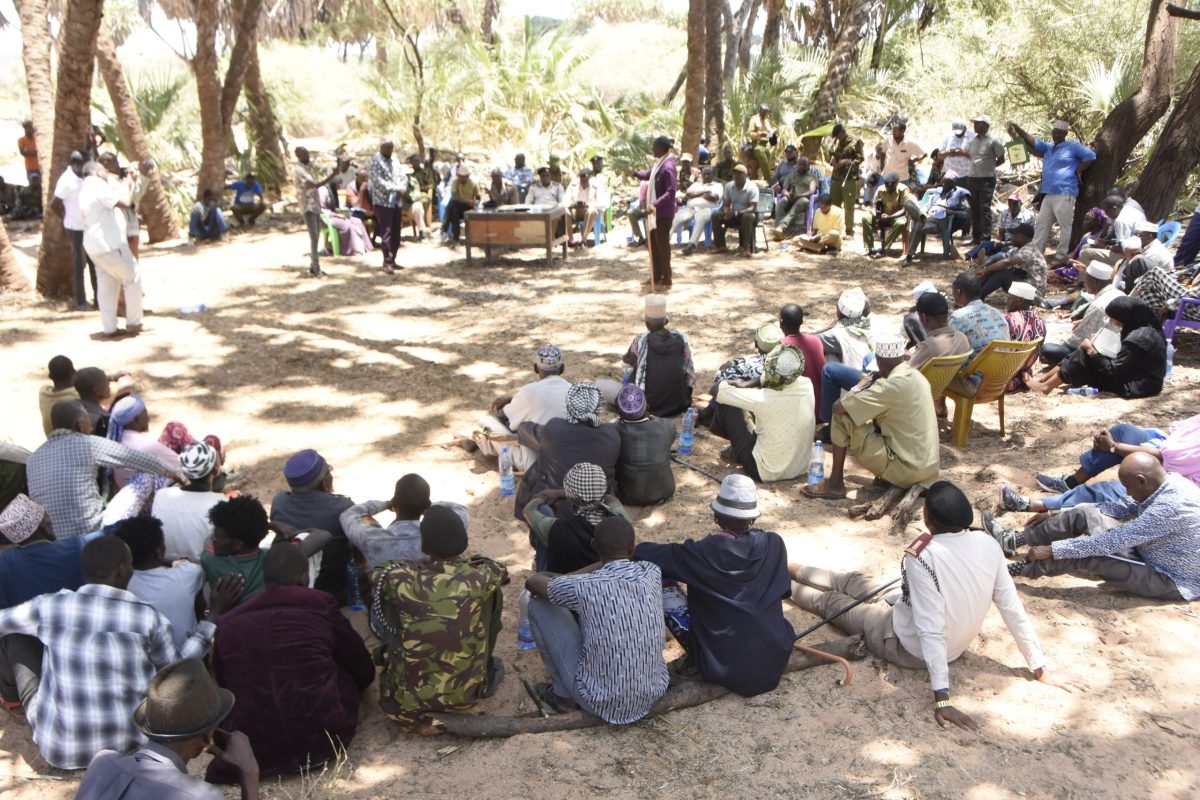
Authorities in Isiolo have initiated peace talks with elders from the Rendille, Samburu, and Borana communities to calm rising tensions in Kom Durte. The Kom Triangle, a crucial dry-season grazing area at the intersection of Isiolo, Marsabit, and Samburu counties, has become the center of the dispute.
The conflict stems from the influx of livestock and herders into the reserve, with an estimated 10,000 cattle moving into Kom Durte. As the only grazing area left with enough pasture and water, the zone has become a lifeline amid fears of prolonged drought. However, increasing reports of livestock theft and insecurity have fueled the risk of violence.
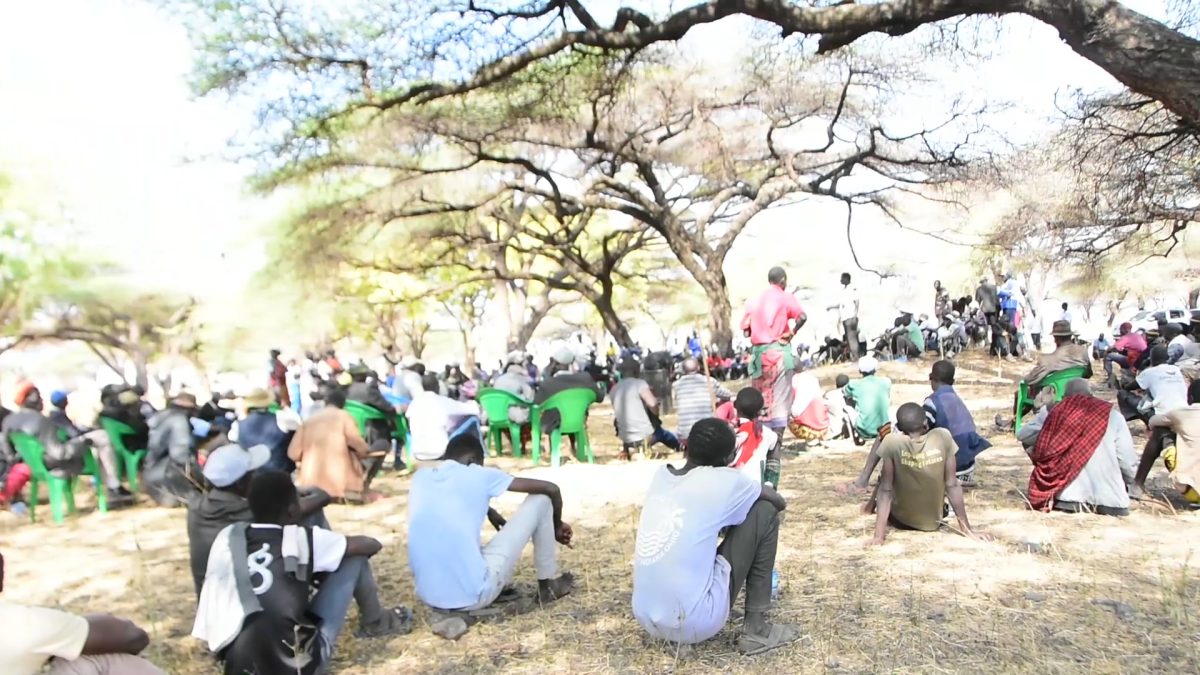
The meetings brought together Sub County Commissioners and security teams from the three affected sub counties, political leaders, peace committees and elders, morans, women, and community representatives from the three counties.
They were supported by the Frontier Counties Development Council (FCDC), IMPACT, the National Drought Management Authority (NDMA), the RANGE Programme funded by the Kingdom of the Netherlands, and the LSS Programme supported by the Swiss Agency for Development and Cooperation.
Mohamed Abduba, the Merti Sub-County Peace Chairman, noted that many residents had been living in fear before the meeting, after sightings of heavily armed youths escorting livestock into the grazing fields.
Michael Kioni, the Meri Sub-County Deputy County Commissioner, urged elders to rein in their youths and to honor agreements signed by the communities. He added that proposals requiring chiefs to escort grazing groups were under consideration.
Kioni further stated that all sides had agreed on the return of stolen animals as a prerequisite for signing bylaws to guide the sharing of grazing resources among the communities settled in the area.
Seayana Lembara of the Rangelands Programme outlined preliminary agreements, noting that elders had agreed to exchange stolen animals and ensure that livestock movements would be overseen by chiefs. Additionally, meetings between elders and morans in the grazing fields would be organized.
According to Terresa Yenae of IMPACT, elders from all the communities would elect committees tasked with drafting bylaws to be signed and respected by all sides. These agreements would govern resource sharing. She emphasized that such formal structures would also be essential if drought conditions worsened, as county governments and partners could then step in with support such as livestock pellets and other interventions to reduce animal losses.
Kelvin Lemantang, the MCA for Warso Ward, called on security agencies to act firmly against morans reported to be intimidating travelers and stopping vehicles along routes. He also stressed that all stolen animals must be returned to their rightful owners.
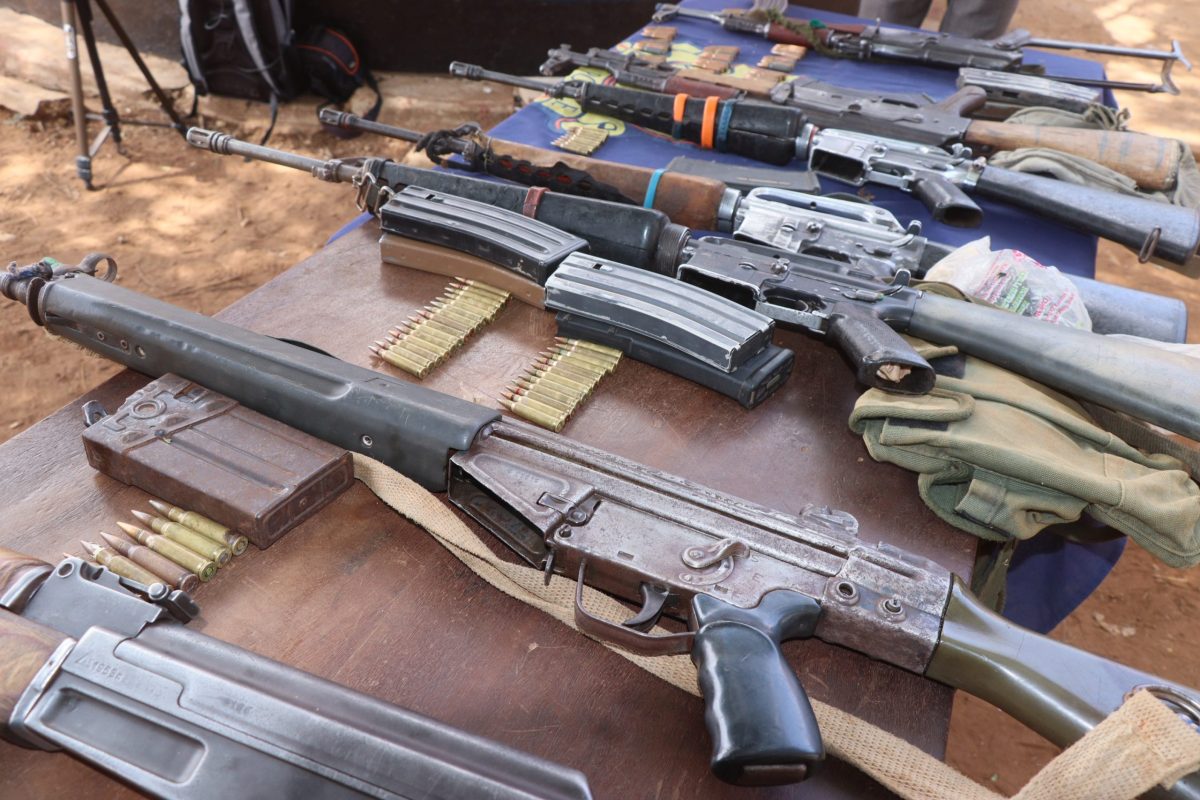
Security remains at the heart of the peace efforts. Authorities are focusing on coordinated patrols, strict enforcement against illegal firearms, and stronger early warning systems to prevent highway banditry and armed clashes.
Going forward, peace committees across Isiolo, Samburu, and Marsabit will be expected to share information in real time, enabling swift responses and better conflict prevention.