


When Elders Decide: How Negotiated Democracy Shapes Politics—and Silences Women—in North Eastern Kenya
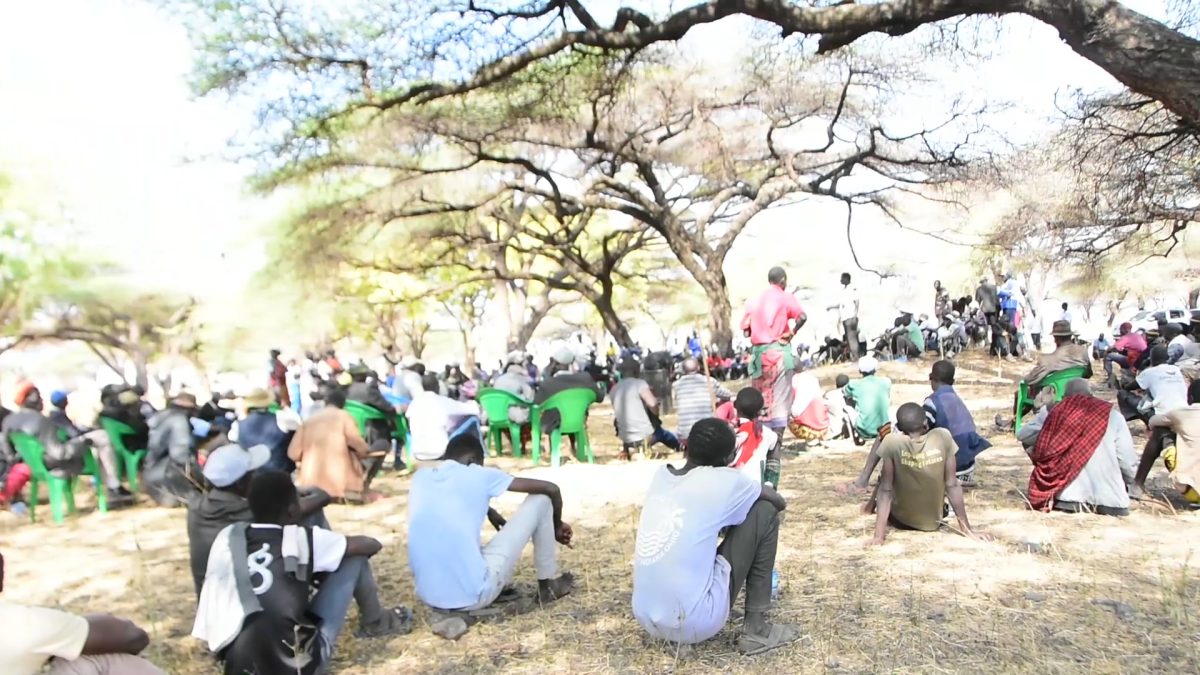
In many pastoralist counties of North Eastern Kenya, elections are often determined long before voters queue at polling stations. Behind closed doors, councils of elders negotiate who will run, who will withdraw, and how political seats are distributed among clans. This informal arrangement—widely referred to as negotiated democracy—has become a defining feature of the region’s political life.
Initially adopted to curb election-related violence and manage entrenched clan rivalries in historically marginalized communities, negotiated democracy has brought a measure of stability. Yet as calls for inclusive governance grow louder, women leaders are questioning the price of that calm. Critics argue that while the system minimizes conflict, it also entrenches exclusion—shutting women out of leadership and reinforcing traditions that prioritize consensus over competition, and men over merit.
Defending the practice is Abdulahi Gonjobe, chairperson of the Isiolo Council of Elders, who describes negotiated democracy as practical and effective. He says elders play a critical role in vetting aspirants, a process he believes protects communities from unscrupulous leaders.

Gonjobe dismisses claims that women are sidelined, arguing that culturally, women have traditionally played supportive roles behind the scenes rather than pursuing elective office. He also rejects accusations that elders ignore female candidates, noting that if a credible woman emerges—even ranking fourth during negotiations—the council would still consider her case. He adds that traditional consensus-building within the Borana community was once more effective than today’s process, which he says has become increasingly driven by money rather than dialogue.
Women leaders and rights advocates, however, challenge that view. Joyce Nailesiae, a human rights activist and chairlady of the Isiolo Samburu Council of Elders, has called on communities in Isiolo to actively embrace women’s leadership. She points to international frameworks such as UN Security Council Resolution 1325, a landmark mandate recognizing women’s crucial role in conflict prevention, management, and peacebuilding, and demanding their participation in governance and security initiatives—roles traditionally reserved for men in pastoralist societies. She notes that many communities have yet to translate these principles into practice.
Nailesiae argues that women have demonstrated strong leadership in other regions and that including them in political decision-making could improve how resources are managed and shared.
Offering cautious optimism, Nichols Eyana, chairperson of the Turkana Council of Elders, says elders are increasingly open to supporting women candidates. However, he maintains that more women need to step forward and actively seek elective positions, noting that elders cannot endorse candidates who do not present themselves.
In Samburu County, the debate takes on a personal dimension through the story of Rebecca Lolosoli, a nominated Member of the County Assembly. Her political journey reflects both the resistance women face and their resilience. In 2013, Lolosoli made headlines when she ran against her husband for the Waso Ward seat—an act widely seen as a challenge to centuries-old traditions. Elders, fellow women, and residents strongly opposed her bid, yet she pressed on, mounting a formidable campaign. She later alleged that she lost after her husband used their shared surname to manipulate the vote count.
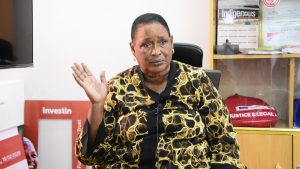
Beyond electoral politics, Lolosoli has long challenged harmful practices such as early marriage, female genital mutilation (FGM), and domestic violence. She helped establish a women’s shelter in Archer’s Post known as Umoja, offering refuge to women fleeing abuse. She says her decision to enter politics was driven by a desire to champion women’s rights—a goal she achieved when she was nominated to the county assembly in 2022, after a tough parliamentary race in 2017 that she says was again derailed by opposition from elders.
As member of county assembly Rebecca was able to pus for the passing of Gender policy which she says is in the process of being enacted to law by the county assembly and achievement she says will now motivate her as she plans to embark on the next political contest during the forthcoming elections.
As the debate continues, women leaders argue that the future of negotiated democracy will hinge on whether it can evolve beyond tradition to reflect the changing realities—and aspirations—of the communities it governs.
..Point to note..
This story was done through partnership with Journalist for Human Rights (JHR) an organization that helps journalists to report on human rights, democratic reform, climate action, and combat misinformation issues in their communities.

