


No Maslaha: Activists Demand Justice for 5-Year-Old Sodomized at Isiolo Mosque
A 19-year-old suspect is currently at large after allegedly sodomizing a five-year-old boy at the Al-Hidaya Mosque in Isiolo. This marks the second incident of its kind at the same mosque. The previous case reportedly never reached the courts, having been resolved through Maslaha—an alternative dispute resolution method—facilitated by local elders, despite national laws prohibiting its use in defilement cases.
Both the mosque committee and community elders are under scrutiny for their role in promoting this informal system of justice, which bypasses legal accountability in serious criminal matters.
Police confirm that investigations into the latest case are ongoing. The second suspect, believed to be an accomplice, has been arrested and is currently in custody. Acting County Police Commander Pius Mbidi told the press that all supporting evidence has been collected, including a medical report from the victim’s examination conducted with assistance from gender desk officers.
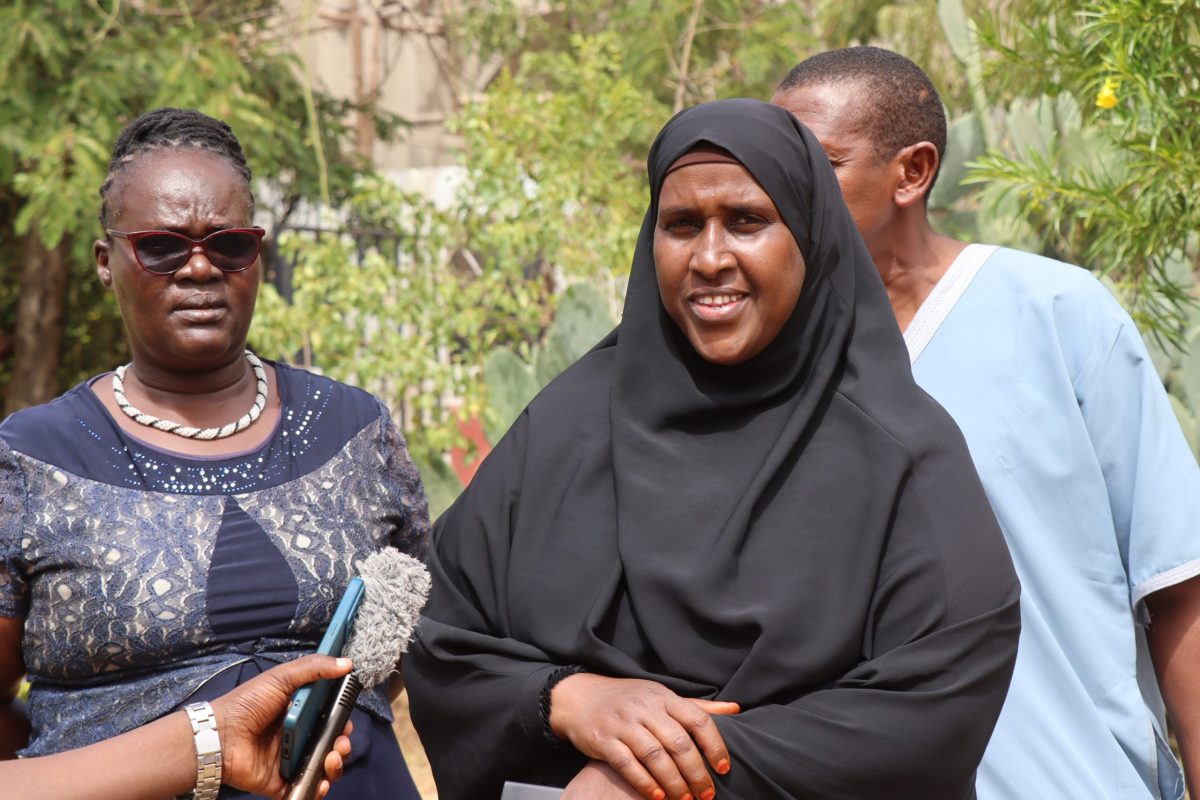
However, local activists and civil society organizations remain unconvinced that justice will be served. Prominent voices such as Anab Kassim and Grace Lorim from Isiolo Gender Watch have been closely following the investigation, demanding transparency and accountability.
Grace Lorim highlighted that a similar incident at Al-Hidaya Mosque was previously dismissed without legal recourse due to the intervention of mosque elders who facilitated a Maslaha process—an approach that contravenes Kenya’s legal framework on sexual offenses.
There is growing concern that attempts are already underway to obstruct justice. Claims have surfaced suggesting the main suspect is being portrayed as a 16-year-old minor, despite existing evidence that he is 19.
Anab Kassim has called for the immediate disbandment of the mosque committee to allow unimpeded investigations. She also urged the Council of Imams and community elders to take decisive action, warning that tensions are rising within the local community.
Lorim further emphasized the need for increased monitoring and intervention in cases of gender-based violence in Isiolo, pointing out the disturbing trend of young boys becoming victims.
Adesh Ibrahim strongly condemned any efforts to resolve such cases through alternative justice systems, warning elders and political figures against interfering in the judicial process.