


Youths in Isiolo Pledge to Stand Against Political Intolerance Ahead of 2027
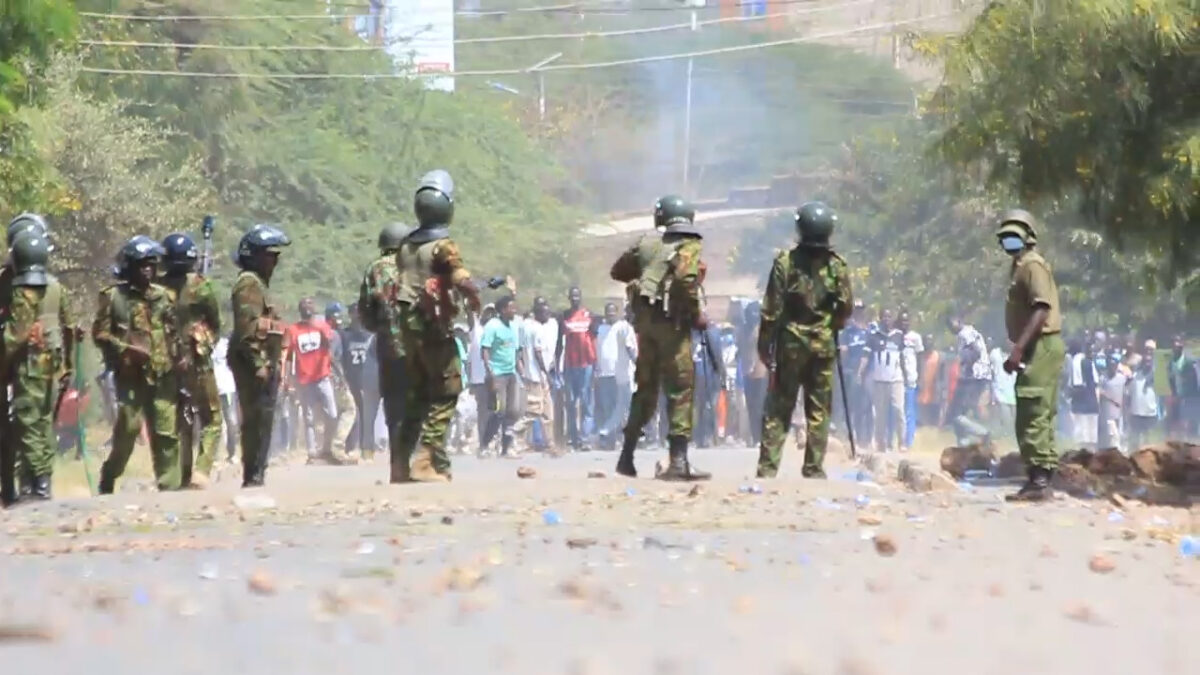
More than a year after Isiolo County was plunged into one of its most intense episodes of political tension following the failed impeachment of Governor Abdi Guyo, the political temperature in Isiolo and across the country has once again been turned up as the electioneering period nears.
Isiolo is yet to fully recover from what had begun as a political contest within the county assembly and later spilled into violence and destruction of property, leaving behind a trail of destruction, death, and deep divisions and wounds that continue to linger in the minds of many.
The impeachment process, which ended at the Senate, exposed the extent to which political differences had polarized the county. One year on, questions remain over whether the wounds have truly healed—and whether Isiolo is prepared to withstand another round of heightened political temperatures as the 2027 General Election approaches.
Those concerns have been amplified by the return of familiar political figures to the center of the county’s political contest, with some of the same players involved in last year’s upheaval now among those expressing interest in the gubernatorial race and other political positions.
Against this backdrop, Isiolo’s youth are seeking to chart a different path, pledging to reject political intolerance and prevent the county from once again becoming a battleground for political rivalry.
These youths have bravely come out in public spaces to express their dissatisfaction with the way political tides have left them disgraced and without anything to show for their efforts, while at the same time calling on their peers to shun violence and intolerance.
One of the vocal youth voices in Isiolo, Madina Hassan Golo, a teacher by profession and youth activist, says young people in the county must take a more active role in speaking out, defending their rights, and shaping the political discourse ahead of the 2027 elections.

We spoke to Madina just after she completed a radio interview where she was hosted in an ongoing Kenya Community Media Network (KCOMNET) programme at Radio Angaf.
The programme, which has been running on Radio Angaf and Shahidi, has targeted these vocal youth leaders to propagate messages urging young people in Isiolo to take a more active role in promoting peaceful politics.
Madina urged the youth to reject attempts by politicians to exploit them to fuel political intolerance and instead use their influence to promote dialogue, tolerance, and unity ahead of the 2027 elections.
She argued that Isiolo continues to grapple with challenges of governance, with many residents yet to fully experience the benefits of devolution.
According to Madina, political violence is often used by leaders as a distraction from their failures to deliver on their responsibilities to the people.
This call for political tolerance by Isiolo’s youths is also rooted in Kenya’s constitutional framework, which these youths are bringing out through their awareness approach.
Madina explained that Article 10 of the Constitution identifies national unity, democracy, participation of the people, inclusiveness, equality, and non-discrimination among the values that should guide governance, while Article 91 further requires political parties to promote national unity, respect citizens’ participation in the political process, and refrain from encouraging violence or intimidation against political opponents.
The principle is made even more explicit in the Code of Conduct for Political Parties, which requires parties to “be tolerant and inclusive in all their political activities” and to manage political differences through constructive dialogue.
The following morning, across Isiolo town, on another radio talk show, “Shahidi Machweo,” two Isiolo youth leaders, Boniface Mwirigi and Wanjiru Mburu, were engaging the public on the same topic.
Boniface, who is a youth leader, said tribalism in Isiolo was also being used to propagate hate and political intolerance. He said politicians have been using tribalism to “zone” residents and manipulate them to get their support.
Boniface called on the youth of Isiolo to avoid getting caught up in the political heat of the moment and miss out on the bigger picture, which was getting good leadership into office.
The guest also emphasized the constitutional provisions, which they said were clear and should be embraced and propagated by the youth.

Wanjiru Mburu, a youth leader, explained that political zoning was a thing of the past and could only be compared to negotiated democracy, and the public should be aware of their right to join any political party or support candidates of their preference.
According to Wanjiru, zoning has contributed to intolerance because it creates imaginary blocks created by the political class to manipulate the public to fit in, instead of focusing on issues and solving their expected leadership duties.
For the youth in Isiolo, these provisions offer more than a legal framework—they provide a basis for their pledge to ensure that political competition ahead of the 2027 elections does not descend into intolerance, violence, or division.
The increase in youth awareness does not stop there. Kennedy Gitonga, also known as Die Hard, a local Isiolo-based musician, has recently released a captivating song that urges youth to shun being used by politicians as goons.
According to Kelvin, he was inspired by the activities of last year’s political chaos, where many youths were injured while some lost their lives while fighting for politicians.
The song, “Hatupigani Tena,” is now hitting the airwaves in what seems like an inspiration for the youth to shun violence.

On a different forum in Isiolo, we met Monicah Nyaga, a civil society officer working with different organizations to sensitize youth on different opportunities they can find, especially in agriculture.
According to Monica, lack of youth involvement in government budgeting, planning, and different government programmes, as well as tribalism and unemployment, has left many feeling frustrated, which explains why many youths in the country are feeling left out.
Monica said that youths should look for ways to negotiate and seek their space without using unorthodox means like violence, demonstrations, and mass action.
While acknowledging that youth do have a right to demonstrate and express their rights, Monica called on them to be more proactive in engaging the government by negotiating to find a way of creating their space in the agenda.
Tony Muriira, a youth who said he is involved in beekeeping activities, accused politicians of lacking a proper vision for the youth and misusing them to create violence.
Tony said many youths have the potential to provide tangible, productive work when supported and should not be used as goons by politicians.
Across the country, the use of hired groups to intimidate or disrupt political activities has increasingly become a concern, with the government facing criticism for what some observers describe as a slow response to acts of political violence.
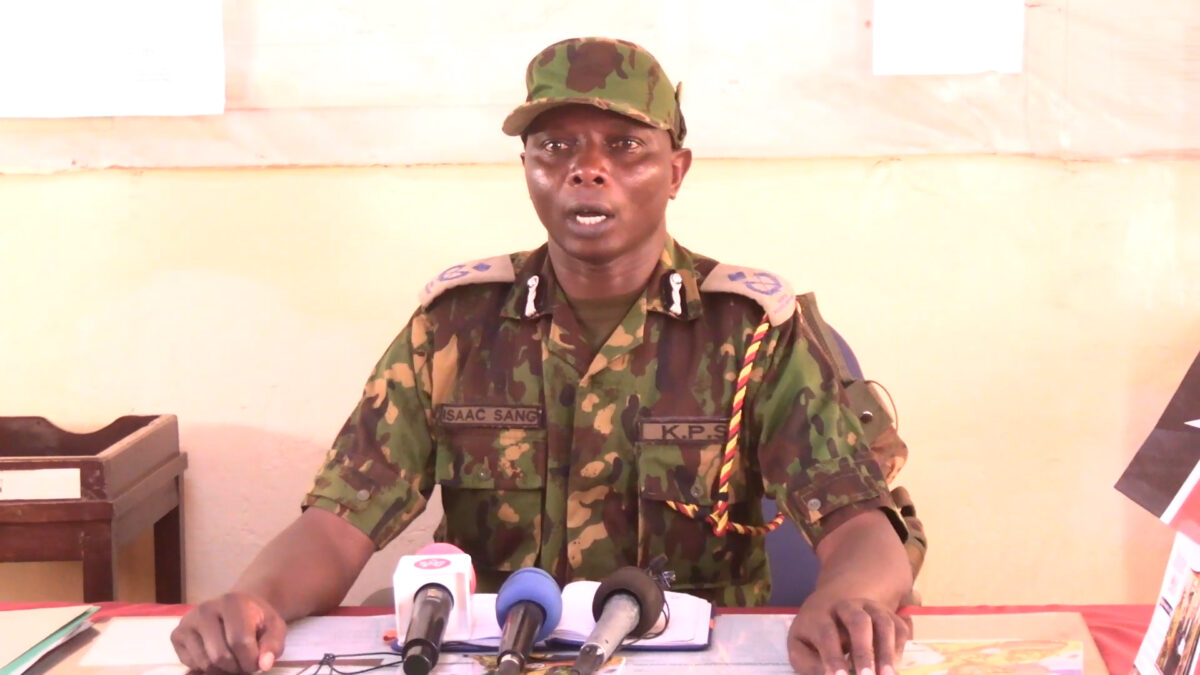
Isiolo County Commissioner Mwachaunga Chaunga, who chairs the county security team, has on several occasions assured residents during public meetings that the county will not witness a repeat of politically instigated violence as the country heads towards the 2027 electioneering period.
Speaking in an interview at his office, Chaunga said he had already engaged several politicians in the county and received assurances that they would not use hired groups to disrupt or intimidate their opponents during political meetings.
Chaunga said that the government is putting different security measures in place in preparation for the heated campaigns and the electioneering period.

While defending the government, Mwachaunga was adamant that efforts to involve the youth by providing job opportunities and business financing were available through many government programmes and called on youths to take advantage of them to curb unemployment.
He, however, cautioned that unemployment, which he said has been used by many youths as a reason for participating in violent behaviour, should not be a reason for any youth to engage in any form of violence, as it was against the law. He called on youths to be creative to earn a living instead of depending on such means.
Mwachaunga observed that political intolerance was already rampant in many parts of the county and called on politicians to be in charge and control their supporters.
Ismail Garma, a former councillor, called on residents to abandon acts of violence, explaining that they only benefit the political class. Garma called on Isiolo residents to ensure they live as good neighbors and shun divisions that come as a result of politics explaining that politics were seasonal and should not be a reason for division among residents.