

Isiolo Validates Gender Policy Review Amid Political Uncertainty

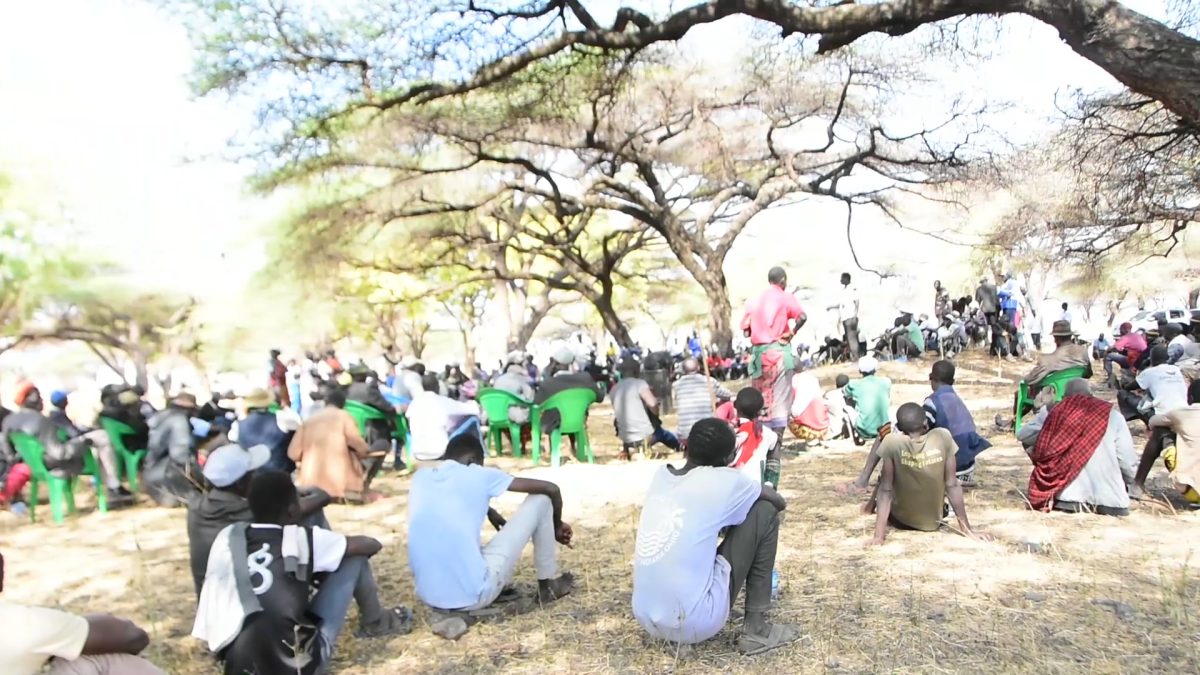
Isiolo County has taken a significant step toward advancing gender equity with the validation of its Gender Policy Review during a stakeholders’ forum held in early September.
The meeting, convened by the county’s Gender Department in partnership with the Horn of Africa Institute through the POWER Project funded by the African Women’s Development Fund (AWDF), brought together representatives from the Gender Technical Working Group, civil society organizations, and other key stakeholders.

The review sought to strengthen Isiolo’s gender policy through targeted amendments designed to reflect current realities, address emerging challenges, and align with national and international gender frameworks.
One of the central issues raised was gender-based violence (GBV). Participants called for stronger prevention mechanisms, improved reporting channels, and comprehensive support systems for survivors.
Pascalia Ogutu, Programs Manager at the Horn of Africa Institute, stressed the urgency of such interventions, pointing to the high prevalence of female genital mutilation (FGM) in Isiolo and the absence of safe houses or Gender Violence Recovery Centers (GVRCs).
The review also focused on economic empowerment. Ogutu highlighted the imbalance of resource control in pastoralist communities, noting that men dominate ownership and access.

Proposed reforms included broadening opportunities for women and marginalized groups to access land, financial services, and markets. She also emphasized the need to amplify women’s voices in governance and policy-making, calling for equitable representation across sectors and leadership levels.

For the first time, tourism, wildlife, and heritage were incorporated as thematic areas in the policy.
Isiolo Gender Officer Abdirazack Guyo noted that the county’s cultural and ecological assets could offer new income streams if managed through gender-sensitive approaches. Recommendations included promoting women and youth in eco-tourism, supporting women-led enterprises, enforcing equality in tourism policies, ensuring fair revenue-sharing, and adopting disability-friendly standards across the county.
The forum unfolded against a backdrop of political tension, with the Isiolo County Assembly divided and locked in a legal dispute over the 2025/2026 budget.
This turbulence cast doubt on the government’s ability to pass and implement new policies.
Despite this, stakeholders expressed optimism about the policy’s future. Halkano Dida, Isiolo County Ass. Director TVET, said the proposals remain workable and stressed that gender equity should be treated as a development priority rather than a political issue.
By the close of the meeting, participants voiced strong ownership of the revised policy, framing it as a commitment to tackling the root causes of inequality rather than a bureaucratic process.
Members of the Technical Working Group emphasized that the policy should stand as a guiding framework for progress, above political rivalries and power struggles.
They agreed that once finalized, the Isiolo Gender Policy would become a blueprint for inclusive development—one capable of fostering a fairer, more equitable society, even in the face of political uncertainty.